A Venice homeowner returned from six months up north last spring to discover $23,000 in water damage. The insurance company denied the claim. Not because the damage wasn’t real, but because the homeowner couldn’t prove when it happened or that they’d been monitoring the property.
Without documentation showing regular inspections, the insurer classified the home as “unoccupied” and invoked the vacancy clause.
Florida’s 2026 insurance changes are reshaping how homeowners protect their properties and preserve their coverage. While new regulations offer some protections: particularly around roof age and premium deductions: they’ve also created new documentation requirements that catch many seasonal residents off guard.
What Changed in Florida Insurance Policies for 2026
The Florida legislature passed several reforms that took effect in early 2026. Insurers can no longer deny coverage based solely on roof age without considering actual condition. Homeowners now receive a 1.75% premium deduction on both homeowners and flood insurance policies. Condo associations face new requirements for replacement value coverage determined by appraisals every three years.
These changes sound positive. They are, mostly.
But buried in the policy fine print are stricter occupancy and maintenance documentation requirements. Insurance companies are scrutinizing claims more carefully, particularly for homes left vacant for extended periods. What many Florida snowbirds don’t realize is that “vacant” and “unoccupied” have specific definitions in insurance policies: and the difference can cost you everything.
The Documentation Gap That Costs Homeowners
Most insurance policies require homes to be “regularly monitored” during extended absences. Vague language, right? That vagueness works in the insurer’s favor, not yours.
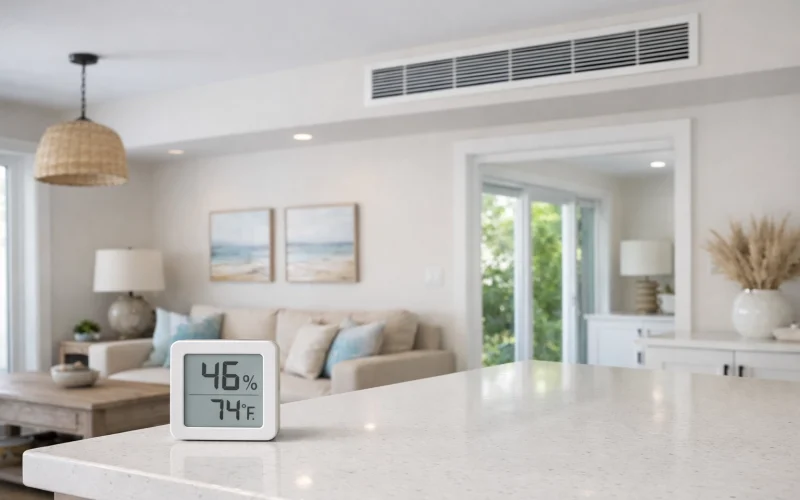
When water damage occurs in an empty home, the insurance company’s first question isn’t about the source of the leak. It’s about when the damage started and whether the home was being properly monitored. Without timestamped documentation proving regular inspections, you’re left arguing your case with no evidence.
A claim adjuster recently told one of our clients in North Port: “If you can’t prove someone physically checked the interior of this home every two weeks, we’re classifying this as gradual damage that occurred while the property was vacant.”
That classification changed everything. The policy’s vacancy clause kicked in, reducing coverage from $300,000 to $30,000.
Why Informal Check-Ins Don’t Satisfy Insurers
Some homeowners assume asking a neighbor to peek through windows or having a lawn service counts as monitoring. It doesn’t. Not to insurance companies.
Insurers require proof of interior inspections conducted by someone with no vested interest in the property. That means:
- Photos from friends or family don’t typically qualify
- Security camera footage only shows limited angles
- Neighbors checking from outside can’t detect interior issues
- Maintenance workers performing specific tasks aren’t conducting whole-home inspections
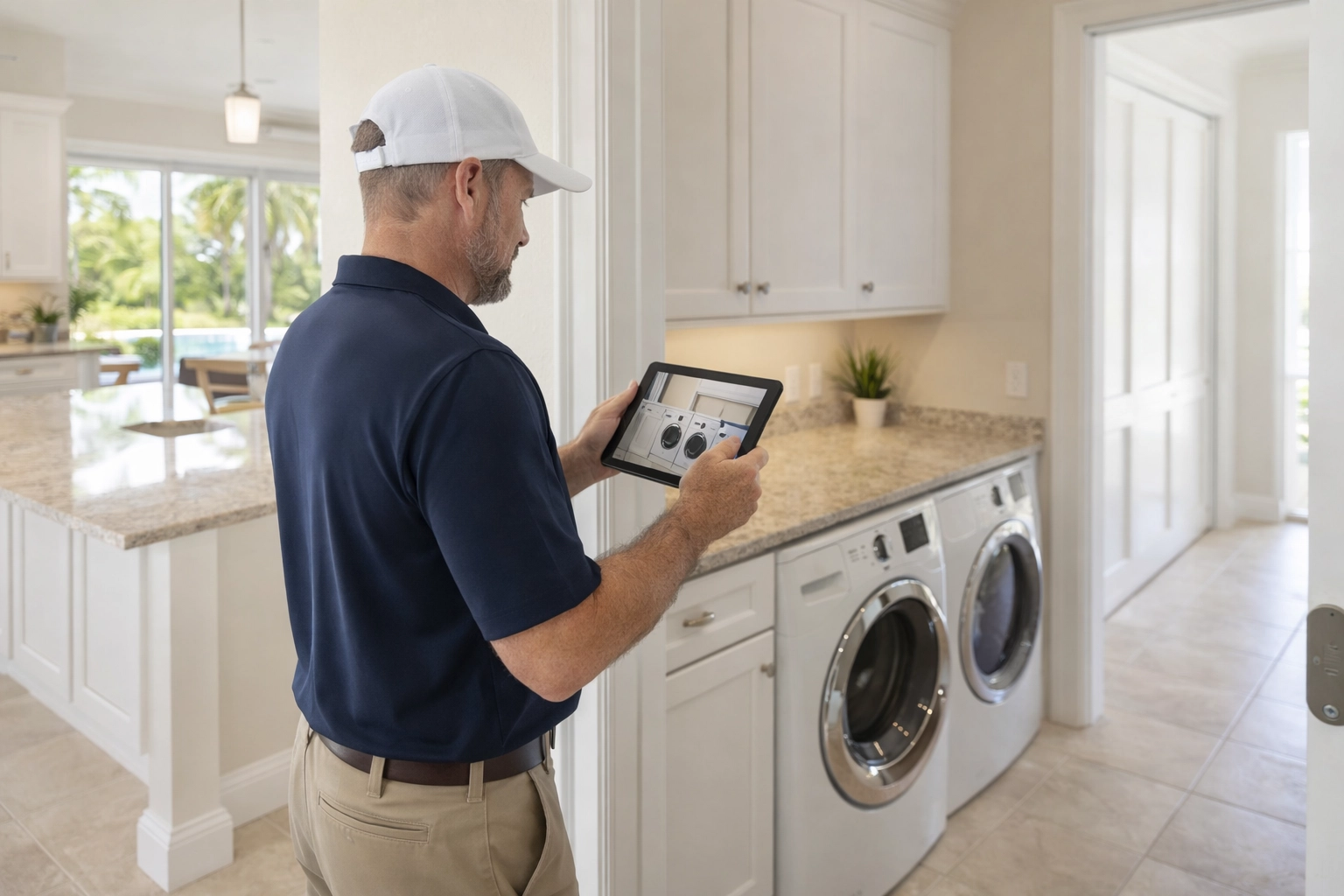
What insurers want is documented evidence from a professional service conducting systematic inspections of all areas where problems typically develop: plumbing fixtures, HVAC systems, windows, doors, appliances, and potential water intrusion points.
How Professional Home Watch Documentation Protects Your Coverage
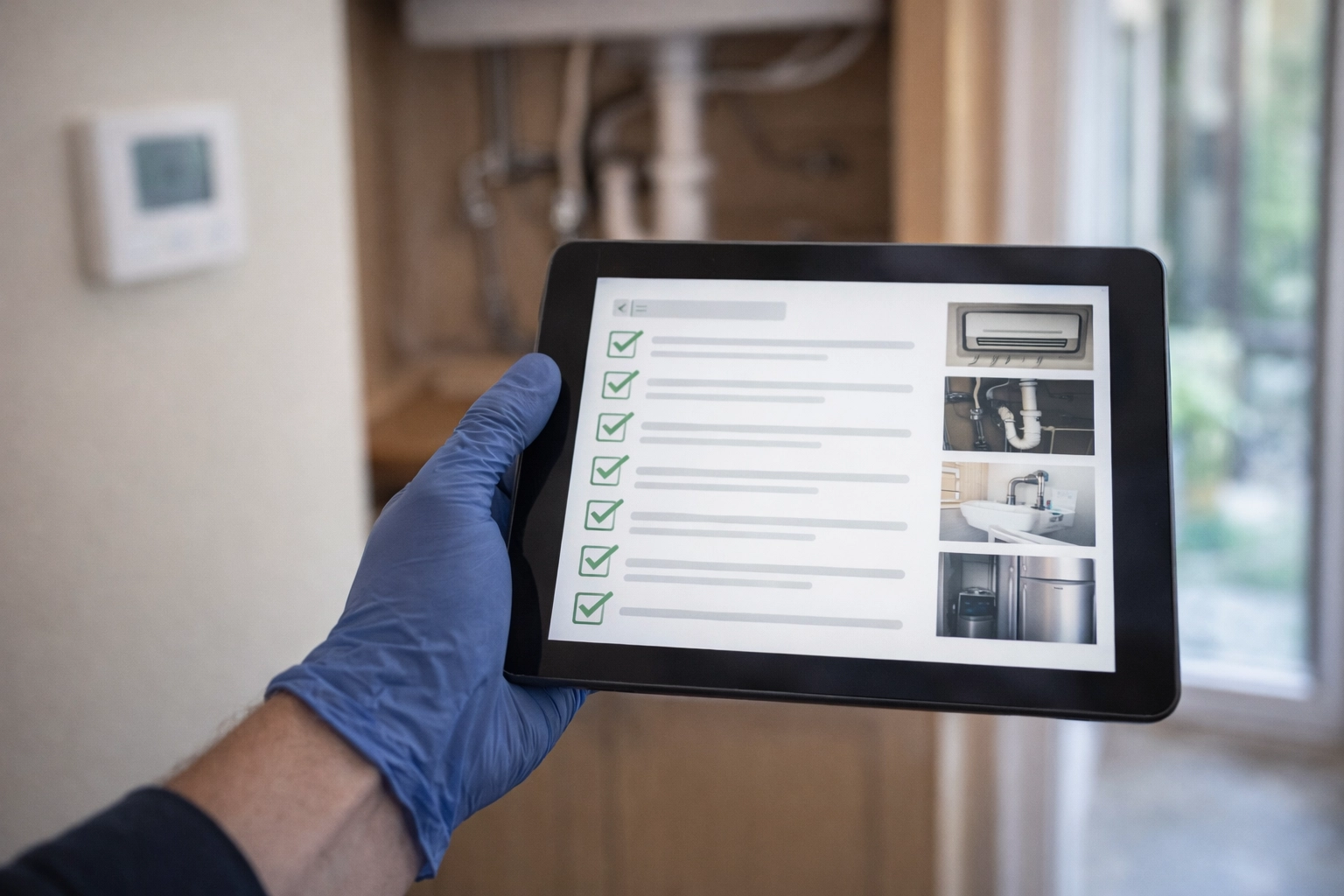
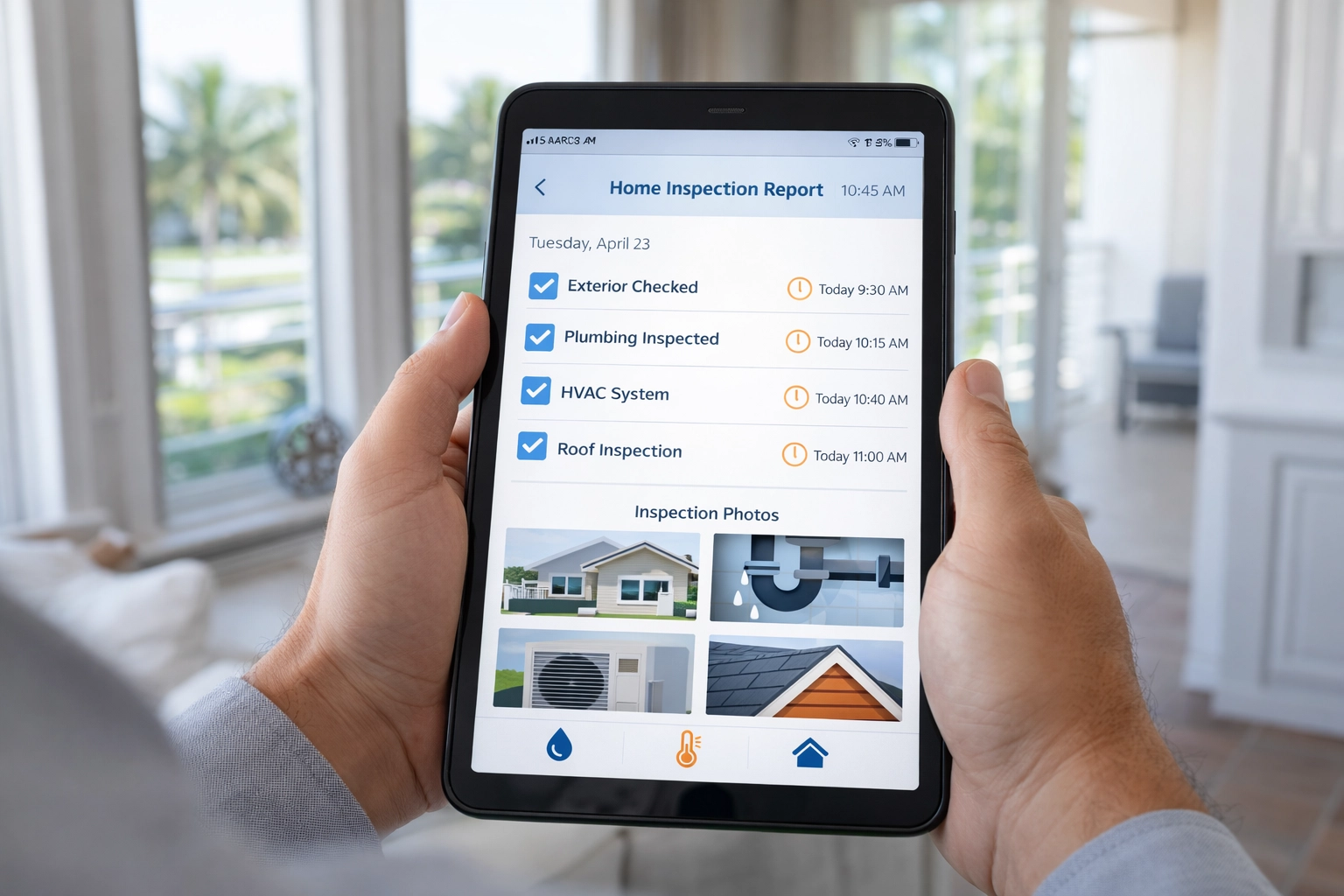
A home watch company Venice FL provides creates detailed inspection reports that satisfy insurance documentation requirements. Each visit generates timestamped photos, written observations, and a systematic checklist covering all critical home systems.
This documentation serves multiple purposes. It proves the home is being actively monitored, creating a paper trail that keeps your policy in full effect. It establishes baselines for the condition of systems and structures, making it clear when damage occurred. It demonstrates due diligence, showing you took reasonable steps to protect the property.
When problems do arise: and in Florida’s humid, storm-prone climate, they will: professional documentation changes the insurance conversation entirely.
Consider the case of mold discovery. Without documentation, an insurance company can argue the mold developed slowly over months while the home sat vacant. With regular inspection reports showing no mold presence, then suddenly documenting its appearance after a storm or plumbing incident, you have proof of the timeline. That proof is the difference between a covered claim and a denied one.
The Hidden Insurance Benefit of Early Problem Detection
Beyond claims documentation, home watch services Florida provides catch problems before they become insurance nightmares. Small leaks discovered during routine inspections can be repaired for hundreds of dollars. The same leak left undetected for months causes structural damage, mold growth, and destroyed belongings: a claim that can run into five figures.
Many homeowners don’t realize that filing large claims or multiple claims can trigger non-renewal notices or premium increases. Even with the new 2026 regulations limiting some insurer practices, companies still track your claims history carefully.
Professional monitoring reduces the likelihood of catastrophic damage that requires claims. The documentation from regular inspections also helps if you do need to file, showing you maintained the property responsibly. Some insurers even offer premium discounts for homes enrolled in professional monitoring services.

Storm Damage Documentation: The 2026 Game Changer
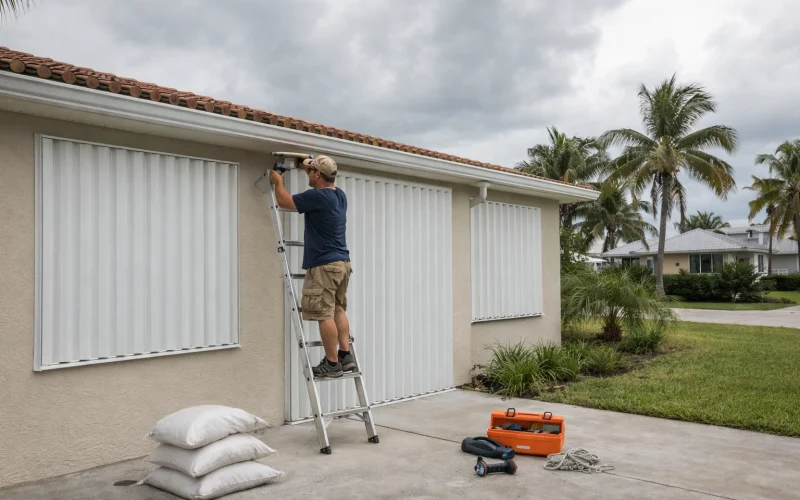
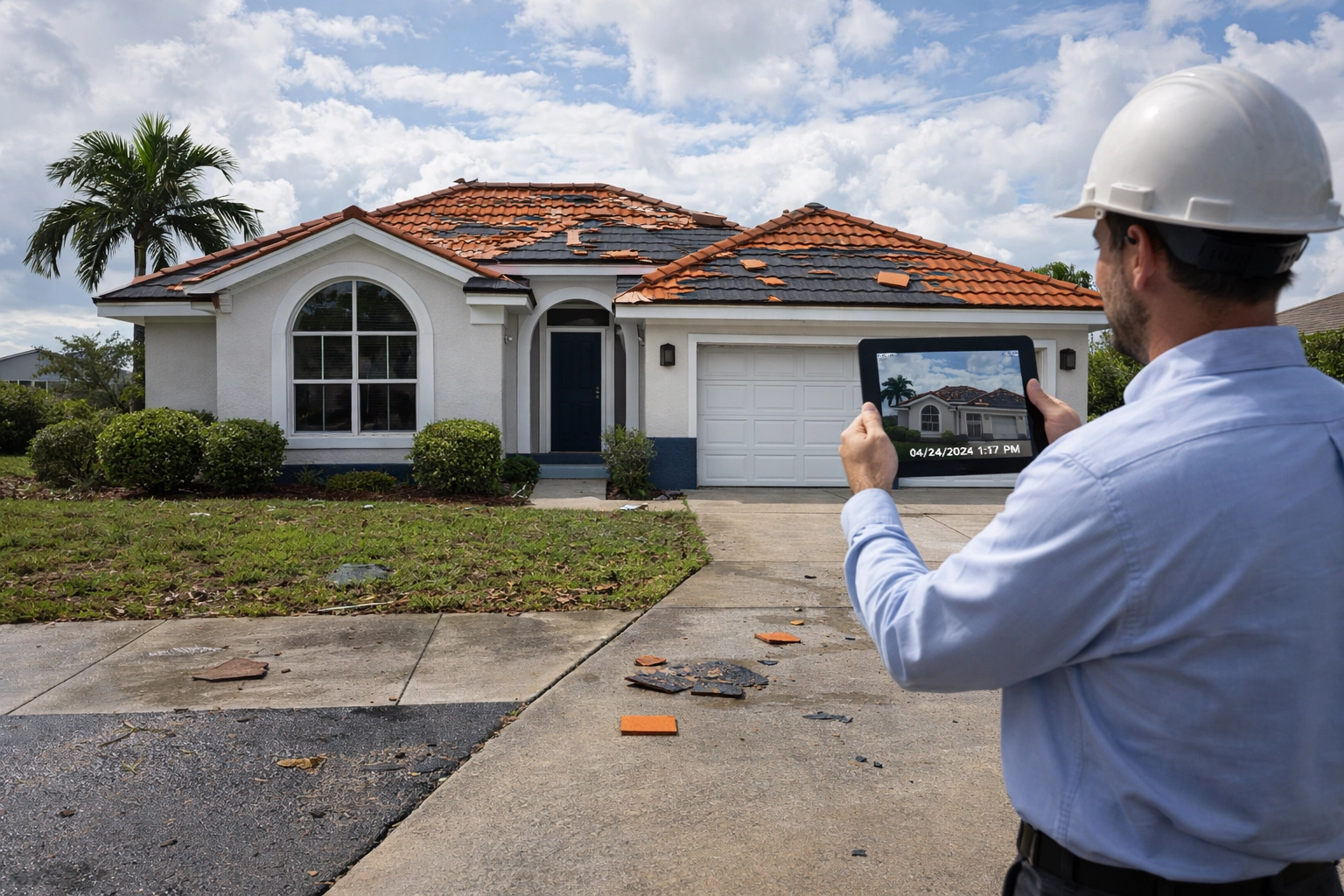
Florida’s 2026 hurricane season reinforced why pre-storm and post-storm documentation matters. Homeowners with professional absentee homeowner services Venice FL had inspection reports showing their home’s condition before storms hit. When Hurricane Category 3 winds damaged roofs and windows across Southwest Florida, these homeowners had clear evidence of storm-caused damage versus pre-existing conditions.
Insurance adjusters routinely look for reasons to reduce claim payouts. Pre-existing damage gives them that reason. If your roof had loose shingles before the storm but you have no documentation of a prior inspection showing the roof was sound, good luck proving the damage happened during the hurricane.
The same applies to water intrusion. Did that ceiling stain appear because storm winds drove rain through a window, or was it already there? Professional inspection photos taken before storm season answer that question definitively.
One Venice homeowner avoided a $15,000 claim dispute by producing inspection photos from two weeks before Hurricane season showing their roof in good condition. The insurance company had no grounds to argue pre-existing damage.
What the New Roof Regulations Mean for Home Watch
The 2026 provision preventing insurers from denying coverage based solely on roof age sounds great. And it is: if you can prove your older roof is well-maintained. That’s where professional documentation becomes essential.
Under the new rules, homeowners can obtain authorized roof inspections to contest insurer-mandated replacements. But you still need regular documentation showing proper maintenance and condition monitoring. A home watch service conducting regular exterior inspections provides ongoing evidence that your roof is being monitored and maintained, regardless of age.
This matters especially for seasonal residents who aren’t present to notice gradual roof deterioration. Missing or damaged shingles, debris accumulation, or early signs of wear can be documented and addressed before they become larger problems that insurers use as excuses for coverage reductions.
The Real Cost of Missing Documentation
Let’s break down the math. Professional home watch services in Venice typically cost $75-150 per visit, depending on visit frequency and home size. For a seasonal resident conducting bi-weekly inspections over six months, that’s roughly $1,200-2,400 annually.
Now consider the alternatives:
- A denied insurance claim on moderate water damage: $15,000-40,000 out of pocket
- A partially covered claim where the insurer reduces payout due to maintenance questions: $5,000-20,000 in uncovered expenses
- Premium increases or non-renewal after preventable claims: $1,000-3,000 additional annually for years
- Complete loss of coverage forcing you into Citizens Property Insurance (Florida’s insurer of last resort): Significantly higher premiums and limited coverage
The documentation that professional home watch provides costs a fraction of a single denied or reduced claim. It’s not just about catching problems early: it’s about having proof that protects your coverage when problems do occur.
Making Home Watch Documentation Work for You
Not all home watch services provide insurance-quality documentation. When selecting a home watch company Venice FL, verify they provide:
- Detailed written reports for each visit
- Timestamped digital photos of key areas and systems
- Systematic checklists covering all critical home components
- Immediate notification of any issues discovered
- Secure online access to inspection history
This documentation should be comprehensive enough to submit to insurance companies if needed. Ask potential services if their reports have been accepted by insurers for claim purposes. Professional services with proper training understand what documentation insurance companies require.
The service should also coordinate with local contractors for repairs when needed, providing another layer of documentation showing problems were addressed promptly and professionally.
Your Home, Protected Year-Round
Florida’s insurance landscape keeps evolving, but one constant remains: documentation protects your investment. The 2026 reforms create new opportunities for homeowners to maintain coverage and control costs, but only if you can demonstrate proper home monitoring and maintenance.
For seasonal residents leaving properties empty for months at a time, professional home watch documentation isn’t optional anymore. It’s the difference between full coverage and devastating out-of-pocket expenses. It’s proof that you did everything reasonable to protect your property. It’s peace of mind that your Florida home is being monitored by professionals who know what to look for and how to document it.
Don’t wait until you’re arguing with an insurance adjuster about whether your home was properly monitored. By then, it’s too late.
Ready to protect your Florida home with professional documentation? Contact Paradise Lifestyle Home Watch to discuss customized monitoring services that keep your property protected and your insurance coverage intact year-round.